SAFE-FLEX INSIGHTS
Industrial matting trends for 2025: what UK facilities teams are specifying
A practical look at 2025 matting priorities: anti-slip traction, ESD compliance, anti-fatigue comfort, drainage, and faster documentation for audits.
- trends
- compliance
- safety
- industrial matting
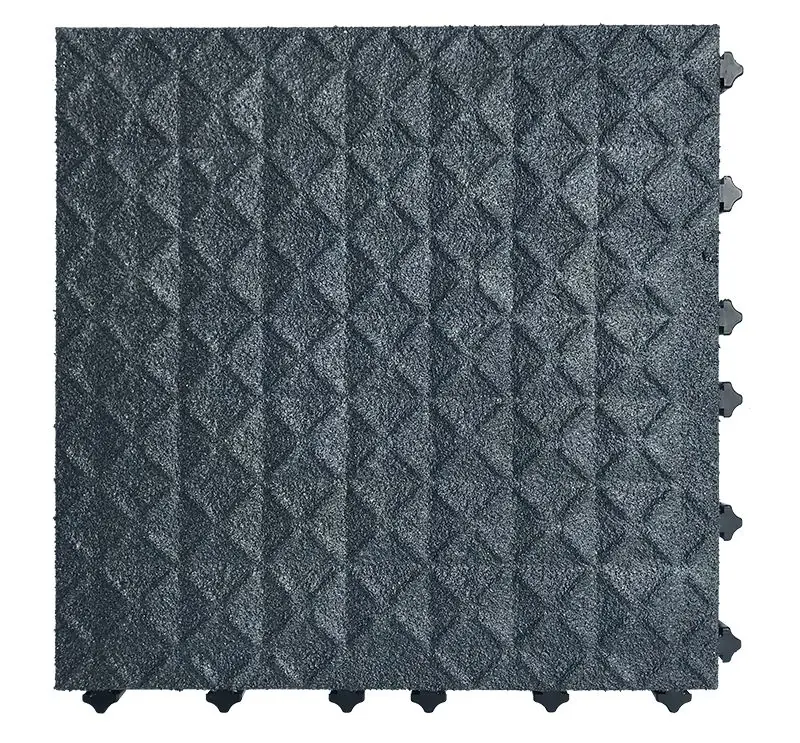
Industrial matting in 2025 is less about a single product and more about matching the right performance to each zone. Facilities teams are balancing slip resistance, ESD compliance, and operator comfort while keeping documentation clean for audits. Below is a practical summary of what is changing and how to brief it.
Quick takeaways for 2025
- Specify by hazard zone, not by a single “all-purpose” mat.
- Traction data (R-rating or PTV) is now standard in briefs for oily or wet areas.
- ESD compliance is expanding beyond electronics into battery, sensor, and test areas.
- Anti-fatigue choices are tied to shift length and operator time on feet.
- Lifecycle value matters: modular replacement beats full-area refits.
By the numbers (market snapshots)
Recent market reports point to continued growth and a stronger focus on anti-static, anti-slip, and anti-fatigue performance. Figures vary by report scope, but the signals are consistent:
- Industrial floor mats forecast to exceed US$2.9B by 2035.
- Industrial floor mats forecast to reach US$3.99B by 2030 at ~2.3% CAGR.
- Anti-static flooring projections range from ~US$2.7B-4.2B mid-2020s to ~US$4.2B-5.8B mid-2030s.
- Anti-fatigue mats forecast to grow from US$1.31B (2024) to US$1.81B (2032) at ~4.1% CAGR.
- UK food-industry flooring trend coverage highlights hygiene, fast cure systems, sustainability, and safety zoning.
1) Multi-hazard zones are now the default
Most sites no longer have one “matting area.” Instead, they have oily machining lanes, ESD benches, and long-standing production cells within the same footprint. The trend is to specify by zone, then connect the layouts with consistent edging and transitions.
- For traction-critical areas: Anti-slip matting hub
- For static-sensitive workstations: ESD / anti-static matting hub
- For long standing shifts: Anti-fatigue matting hub
2) Documentation matters as much as the surface
Slip ratings, ESD resistance ranges, and fire data are now part of most procurement checklists. The fastest projects in 2025 are the ones with clear spec packs and audit-ready documentation attached early in the process.
If you’re briefing a supplier, call out:
- Target slip rating (R-rating or PTV).
- ESD resistance range and grounding method (if applicable).
- Cleaning chemicals and contamination type.
- Required RAMS or insurance documentation.
3) Anti-slip choices are getting more deliberate
Teams are moving away from generic “non-slip” language and specifying profile + contamination type:
- Diamond plate or chevron for oily machining zones.
- Drainage formats for washdown and wet production.
- R13 where contaminants are heavy and traction is non-negotiable.
R13 traction is a common target for oily, wet, and dusty environments, reinforcing why slip ratings belong in the brief. See the deeper breakdown here: Anti-slip matting UK guide
4) ESD demand is rising beyond electronics
ESD matting is not limited to circuit boards. Battery assembly, sensor calibration, and test stations now require controlled discharge and measurable performance. Market forecasts for anti-static flooring reinforce the shift toward verified electrical performance and documented resistance ranges.
If your EPA needs clarity on ranges and grounding, start here: ESD matting UK guide
5) Anti-fatigue is being specified by shift length
Comfort is no longer a “nice to have” when shifts run long. The 2025 approach is to specify thickness and format by standing time, then align the layout with edges and walkways. Anti-fatigue market reports point to consistent growth, which tracks with the increased emphasis on operator well-being.
Practical guide: Anti-fatigue matting UK guide
6) Sustainability is practical, not marketing
Facilities teams are asking for recycled content, long service life, and replaceable tiles rather than one-off claims. Modular tiles win because you can replace one section instead of redoing an entire bay.
A 2025-ready matting brief (save this)
Use this quick checklist when you request pricing or a site review:
- Zones mapped by hazard (slip, ESD, fatigue, wet process).
- Target slip rating and contamination type per zone.
- ESD range and grounding requirements (if applicable).
- Shift length, operator count, and comfort priorities.
- Cleaning method and chemical exposure.
- Edge and ramp requirements for MHE routes.
Where Maximum Matting fits
If you’re building a 2025-ready spec pack, the quickest path is to map each zone and request the right formats with documentation attached from day one. We can help with layouts, samples, and compliance packs.
- Start with the Matting planner for layout support.
- Request samples here: Free sample request
Recommended next steps
- Anti-slip traction guide: Anti-slip matting UK
- ESD compliance guide: ESD matting UK
- Anti-fatigue selection guide: Anti-fatigue matting UK
Ready to upgrade your facility?
Get expert advice on your matting requirements
Our team can help you specify the right matting for your application, whether it's ESD protection, anti-fatigue, or slip resistance. All products are UK-manufactured from recycled materials.