SAFE-FLEX INSIGHTS
Industrial matting rolls vs modular tiles: what UK sites should choose
Many searches ask for industrial matting rolls. This guide compares rolls vs modular systems for traction, downtime, replacements and documentation, especially in factories and warehouses.
- specification
- maintenance
- procurement
Why “industrial matting rolls” dominates search
Roll matting is familiar: it looks like an easy, one-piece solution. That’s why queries like “industrial matting rolls”, “anti fatigue matting roll”, or “ESD matting roll cut to size” show up so often.
On real UK sites, the best choice depends on what matters most:
- install speed vs downtime windows
- spill/contaminant behaviour
- replacement strategy (swap a section vs replace an entire run)
- compliance documentation and audit readiness
If you’re selecting by hazard rather than format, start here: /matting/
Quick comparison: rolls vs modular tiles
Rolls can be a fit when:
- you need long, continuous coverage in a simple corridor
- traffic is predictable and edges can be secured reliably
- you accept that local damage can mean replacing a bigger section
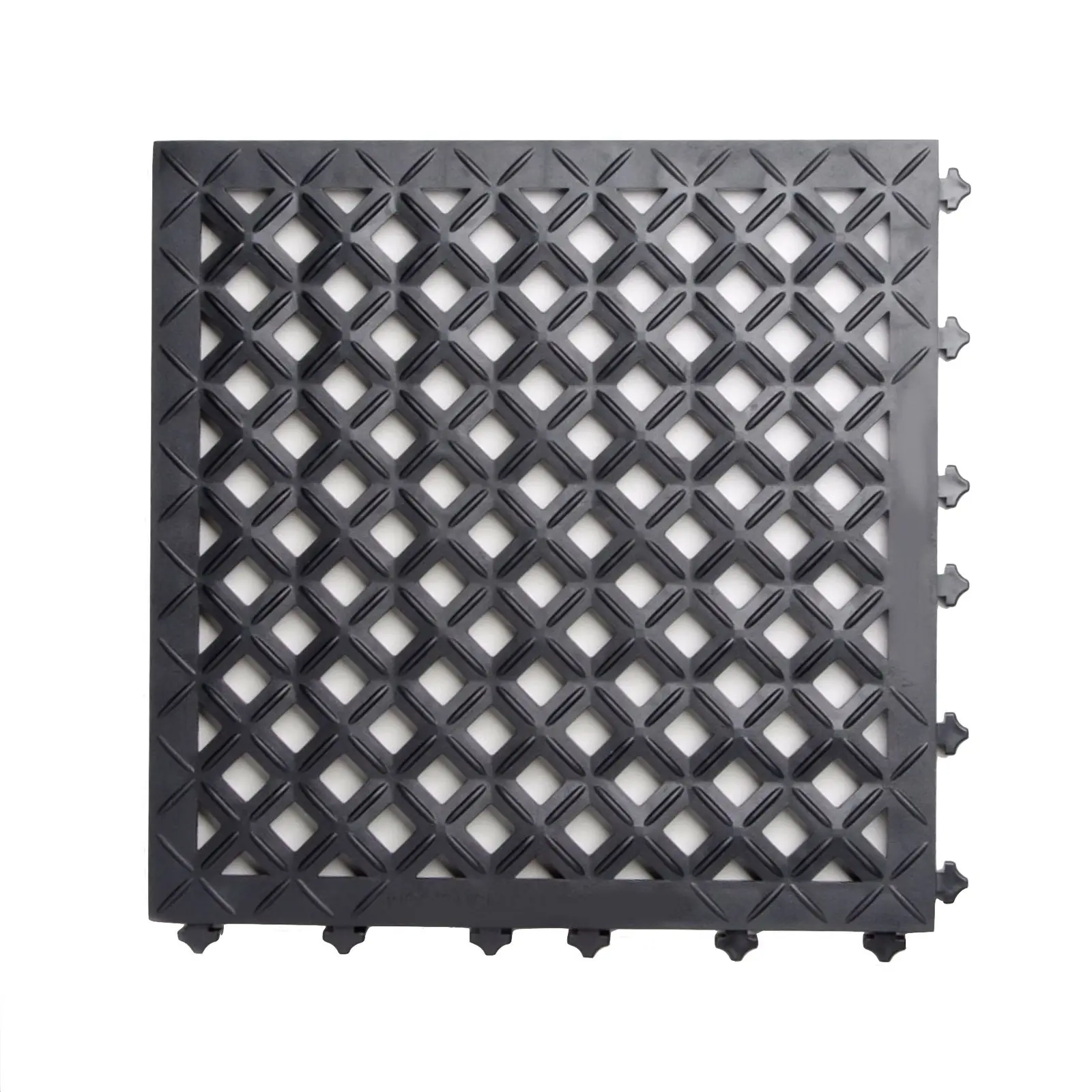
Modular tiles can be a fit when:
- you want fast reconfiguration around equipment
- you need selective replacement during maintenance windows
- you want a system approach (tiles + ramps + corners) without ad-hoc cutting
- you need repeatable documentation for multiple similar bays
The maintenance lens (what typically gets ignored)
If the matting is treated as consumable, replacements become reactive. Modular systems often make planned replacements easier because:
- you can swap only the worn modules
- you can keep spares without storing large roll lengths
- you can standardise layouts across bays
What to do next
- For anti-slip requirements: /matting/anti-slip/
- For ESD/anti-static requirements: /matting/esd-anti-static/
- For hot works zones: /matting/hot-works-welding/
- To request a quick recommendation: /contact#contact-form
Ready to upgrade your facility?
Get expert advice on your matting requirements
Our team can help you specify the right matting for your application, whether it's ESD protection, anti-fatigue, or slip resistance. All products are UK-manufactured from recycled materials.