SAFE-FLEX INSIGHTS
ESD vs anti-static floor mats: what UK teams should specify
A practical guide to ESD matting, anti-static mats, resistance ranges, grounding basics, and how to brief a compliant EPA without overbuying.
- esd
- compliance
- electronics
- specification
Why “ESD” and “anti-static” get mixed up
On UK sites, “anti-static” often becomes a catch-all label for any mat that feels less clingy or less dusty. ESD (electrostatic discharge) control is more specific: it’s about controlled discharge and measured electrical performance to protect components and reduce quality failures.
If you’re building or maintaining an EPA (Electrostatic Protected Area), treat “anti-static” as a marketing term unless it’s supported by test data and an installation method that matches your site standard.
If you’re currently searching for ESD matting or anti-static floor mats, start here: /matting/esd-anti-static/ — or browse the M-Series ESD range for bench and floor options.
Quick definitions (plain English)
- Anti-static: Broad term; may mean “reduces static build-up” but doesn’t always specify resistance or how the system is grounded.
- Static-dissipative: Designed to bleed charge away at a controlled rate; typically what teams mean when they ask for ESD floor matting.
- Conductive: Allows charge to move very quickly; not always appropriate if it risks fast discharge.
What to specify (the checklist that prevents rework)
When you request pricing or a spec pack for ESD matting, include:
- Your EPA standard (or the compliance framework you’re aligned to).
- Target resistance range (if known) and how you verify it (routine testing, audits).
- Layout and traffic: benches, operator positions, walk paths, carts, stool legs.
- Grounding approach: where you can bond to earth, and any constraints.
- Contaminants and cleaning: dust, oils, solvents, and the cleaning chemicals used.
This is exactly what we ask for when you contact the team: /contact#contact-form
Do you always need grounding?
In most real EPAs, yes: performance depends on a system (matting + bonding/grounding + procedures), not just a tile surface. The right approach depends on your floor build-up and what you’re trying to protect.
If you’re unsure, send your current method statement or your target requirements and we’ll propose a layout-ready solution with documentation.
Common buying mistakes (and how to avoid them)
Mistake 1: Treating “anti-static” as a specification
Fix: ask for a documented resistance range and a grounding method aligned to your EPA standard.
Mistake 2: Ignoring ergonomics
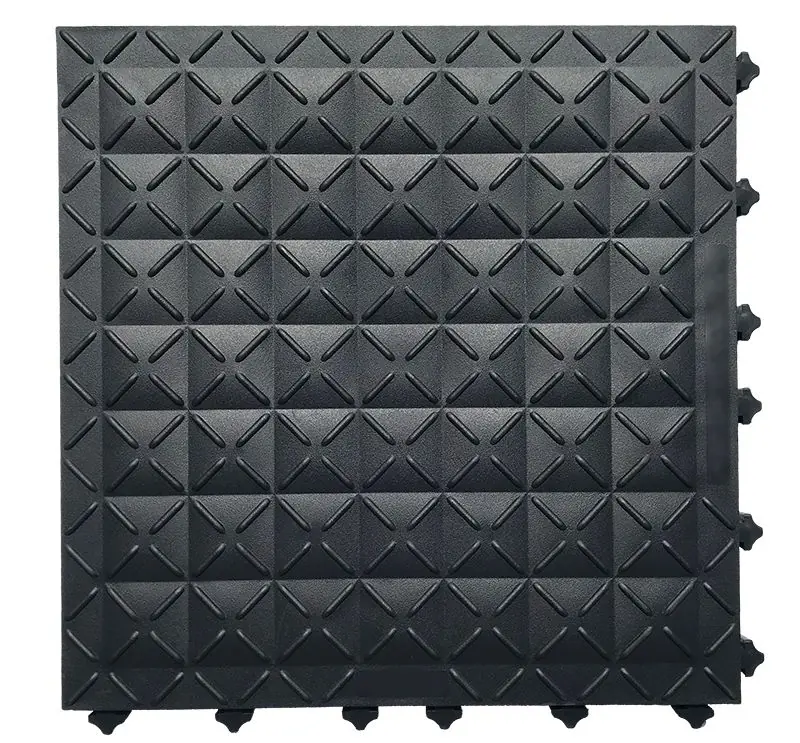
Operators standing for long shifts need anti-fatigue support. Spec ESD performance and comfort, then choose the right format and ramping. M4 ESD anti-fatigue floor matting is designed for exactly this combination in static-controlled standing areas.
Mistake 3: Not planning edge exposure and trip risk
Matting needs to work for humans and material flow. Include ramps, edges and crossing points in the brief.
What to do next
- If you need ESD matting guidance and product options: /matting/esd-anti-static/
- If you want a recommendation quickly: /contact#contact-form
- If your area is also oil-prone: /matting/anti-slip/
Free site visit
Get a Safe-Flex layout, slip data, and RAMS pack for your floor.
Book a free site visit and we’ll review hazards, measure the area, and specify the right modular matting. UK-manufactured from 100% recycled PVC compound.

Pressed in the West Midlands · 100% recycled PVC